Skip to content
Brett D. Henderson Frame-Indexed Classical Theism

The Many Beings Framework — seven volumes

The oldest arguments in theology are not mysteries. They are the same mistake, made repeatedly.

Sovereignty against free will. A good God against a world of suffering. Eternity against time. Each has been treated as a tension to be managed rather than a problem to be solved. They are neither. Each is one formal error, committed so consistently it went unnamed.

  • Named: the Many Beings Fallacy — predicating a human-frame term of a Being whose mode of existence differs in kind
  • Argued in formal notation, published for refutation rather than applause
  • Continuous with Aquinas on analogy, Boethius on eternity, and the Reformed archetypal / ectypal distinction
  • Seven volumes of Christian apologetics and analytic theology — not a summary of the debates, but the argument itself
  • Written as Christian apologetics books for readers already inside the conversation, not as an introduction to it

Free — the complete book

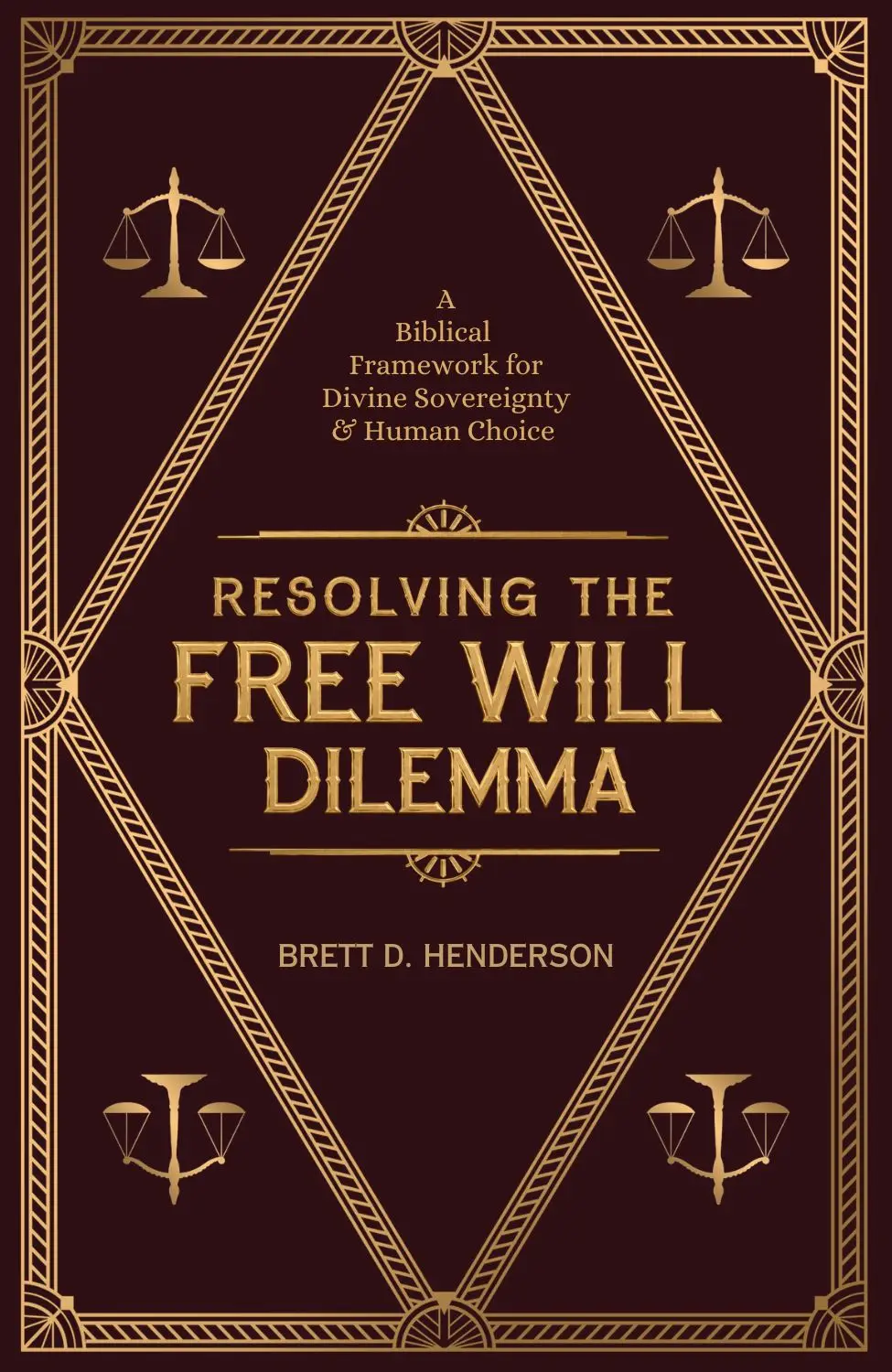
Cover of Resolving the Free Will Dilemma

Resolving the Free Will Dilemma

Volume One of The Many Beings Framework

The entry point to the whole framework. Calvinism, Arminianism and Molinism reconciled at the foundational level — argued in full, not summarised. Yours free.

No spam. Unsubscribe in one click.

The whole thing, in sixty seconds

Two axioms. One conclusion. Seven dilemmas that stop being dilemmas.

i

A being’s nature is the fusion of its essential qualities.

Not a list of properties a thing happens to have, but the single fused character from which everything else about it follows.

ii

A conscious being’s mode of existence determines its mode of apprehension.

How a thing exists fixes how it can know. A sequential being apprehends sequentially. This is not a limitation added to knowing; it is what knowing is, for that kind of being.

It follows that

God’s frame of apprehension — atemporal, simple, self-existent — and man’s frame — sequential, composite, contingent — are incommensurable. One reality is truly known in both. But terms like free, good and now cannot be swapped between them without equivocating.

The Many Beings Fallacy

Taking a term defined inside the human frame and applying it univocally across the divine frame. Every classical dilemma commits exactly this. Index the terms to their frames and the contradiction does not get answered — it dissolves.

Isn’t this just relativism with extra steps? If God’s “goodness” isn’t our “goodness,” haven’t you emptied the word?

No, because the frames are not symmetrical. God’s frame is the asymmetric ground; the human frame is a real but bounded mode of access to the same reality. That asymmetry is what separates frame-indexing from relativism, and it is what makes the framework falsifiable: a violation of the indexing discipline is detectable, and the rules for detecting one are stated in full.

Christian apologetics books — The Many Beings Framework

One framework. Seven dilemmas. Each volume reads standalone.

Most Christian apologetics books argue one position against its opponents. These theology books argue something stranger: that the opponents were never disagreeing about the same thing. The shelf this sits on sells comparison volumes — four views, five views, essays talking past one another between two covers. This series does the opposite: one position, argued straight through, with the inferences shown so you can attack them.

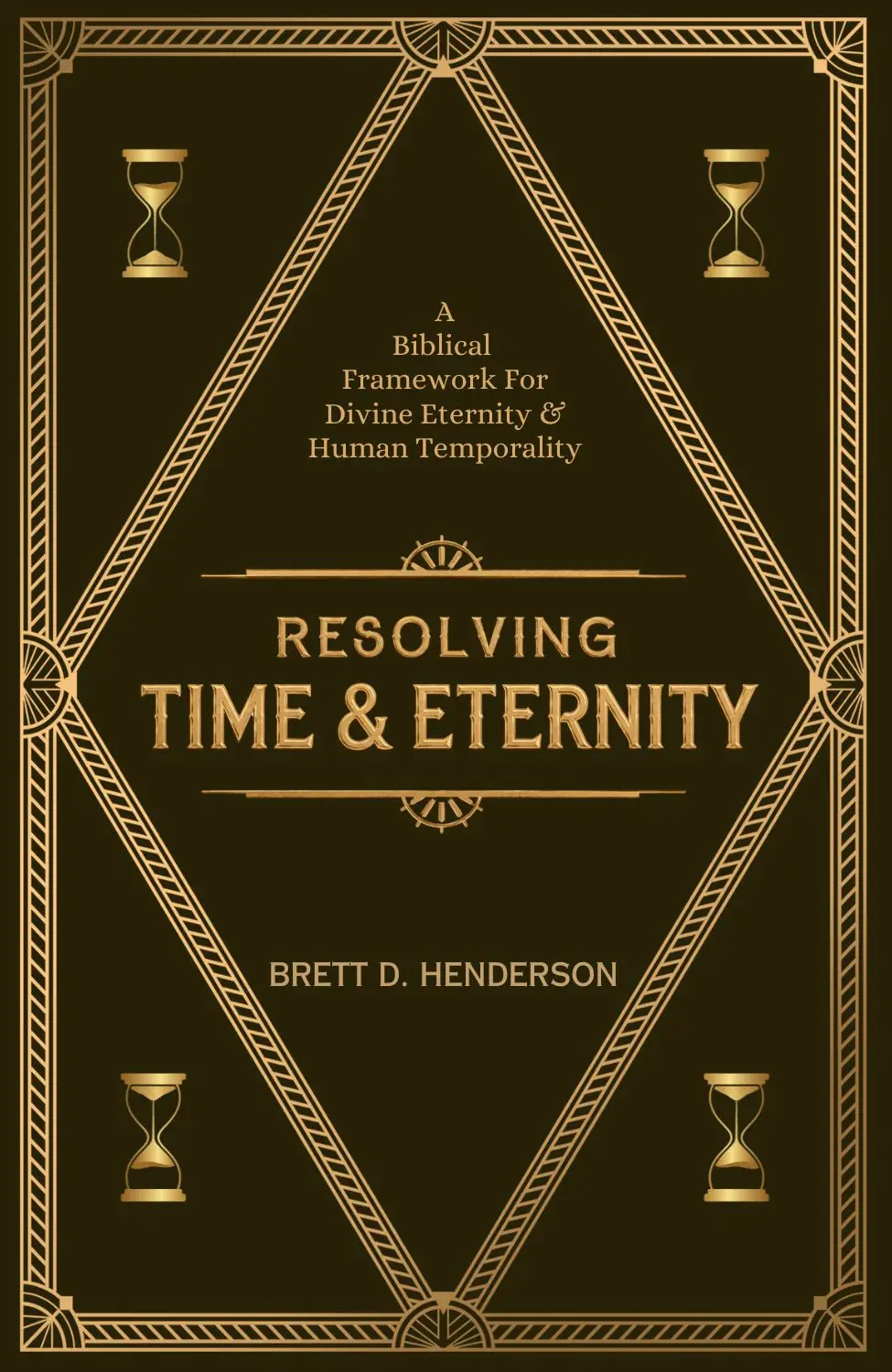
Cover of Resolving Time and Eternity Newest

Volume Three Eternity vs. time

Resolving Time and Eternity

A Biblical Framework for Divine Eternity & Human Temporality

A-theory, B-theory, eternalism, presentism. Thirty-four chapters on what “now” can and cannot mean when said of a Being whose mode of existence is not sequential.

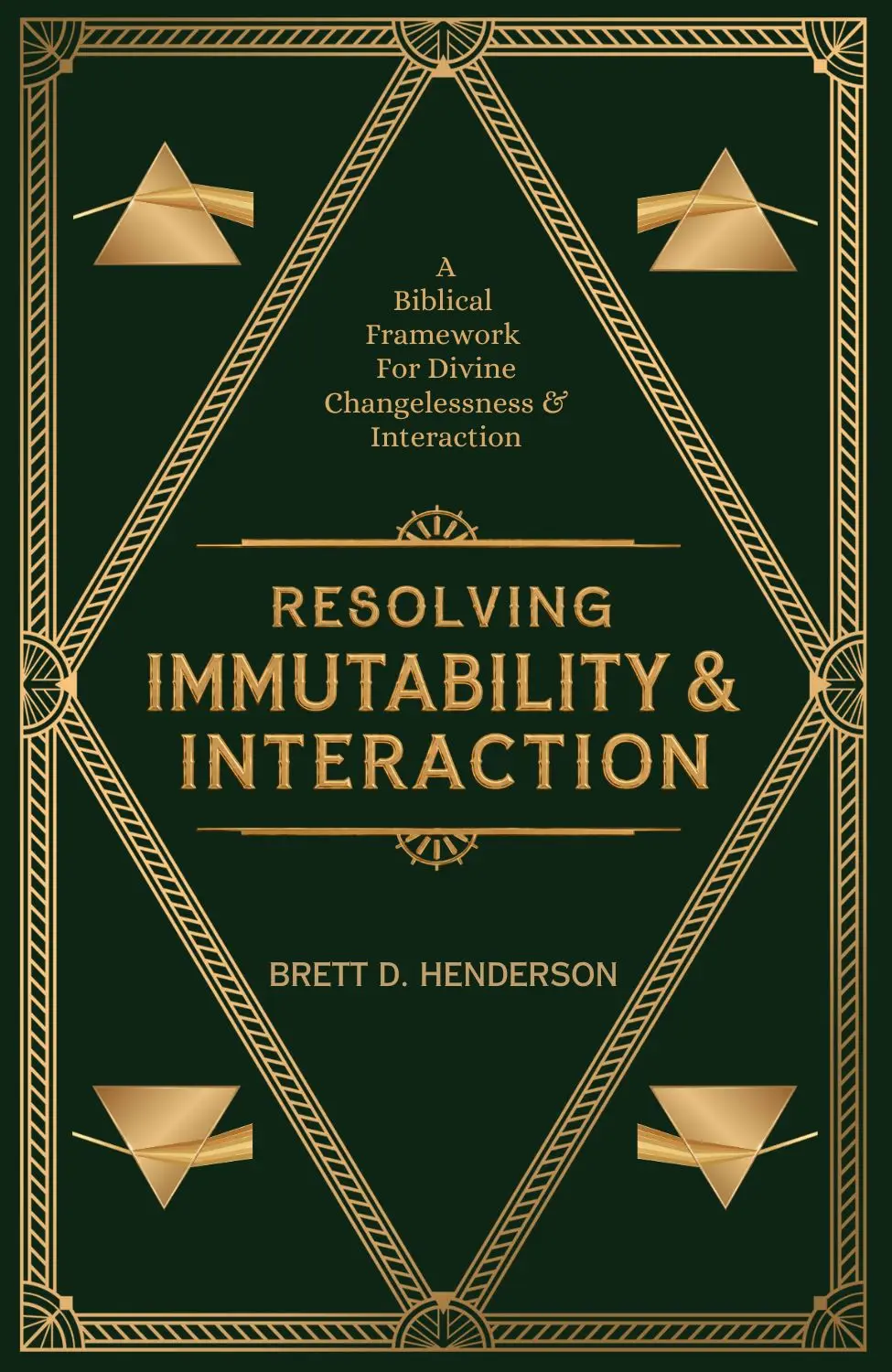
Cover of Resolving Immutability & Interaction In production

Volume Four Changelessness vs. interaction

Resolving Immutability & Interaction

A Biblical Framework for Divine Changelessness & Interaction

If God does not change, what happens when Scripture says he relents? Impassibility, process theology and open theism, addressed at the level of the error rather than the conclusion.

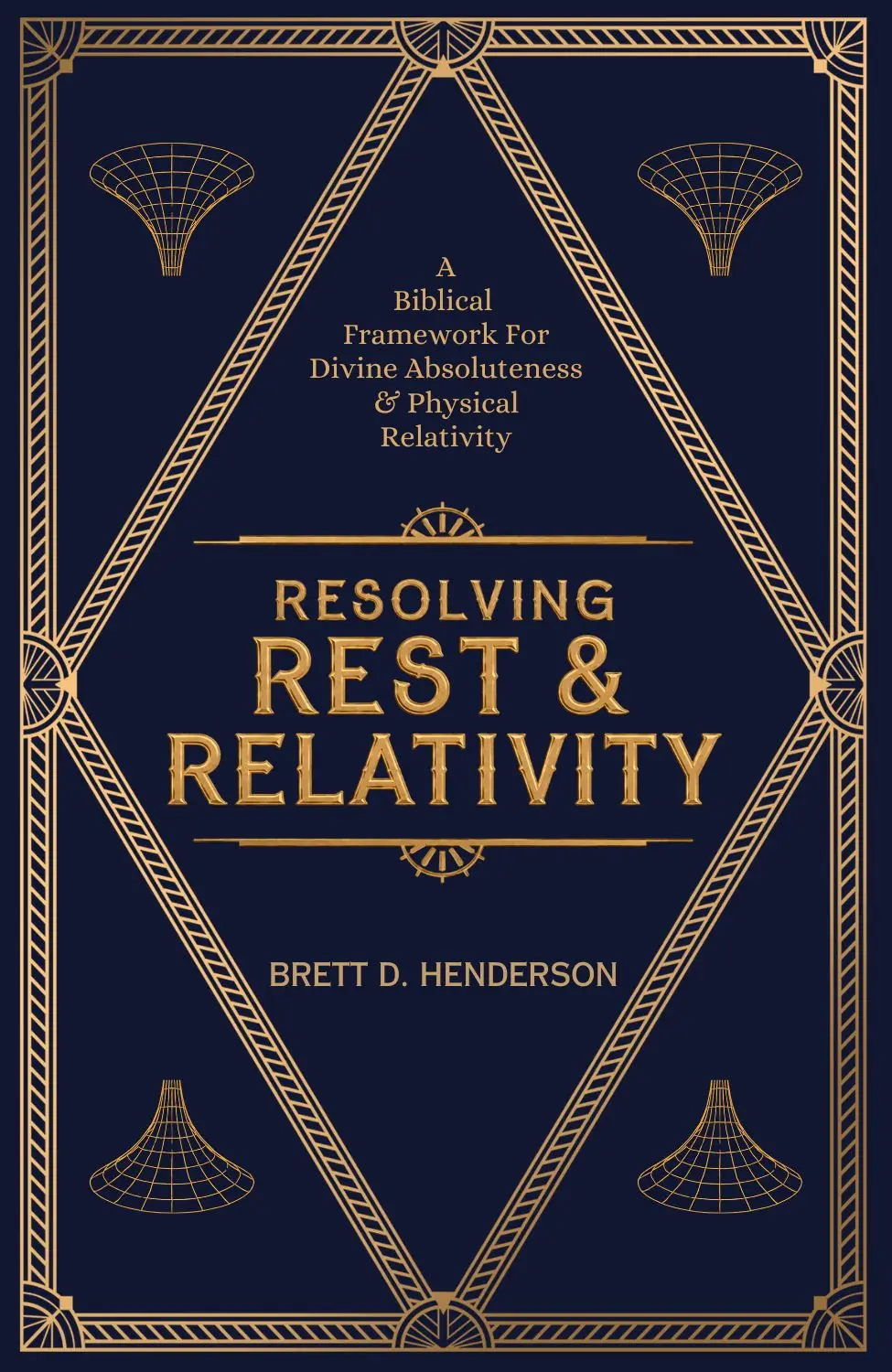
Cover of Resolving Rest & Relativity In production

Volume Six Absoluteness vs. relativity

Resolving Rest & Relativity

A Biblical Framework for Divine Absoluteness & Physical Relativity

Special and general relativity say there is no privileged frame. Classical theism says there is. This volume argues both, and shows why that is not a contradiction.

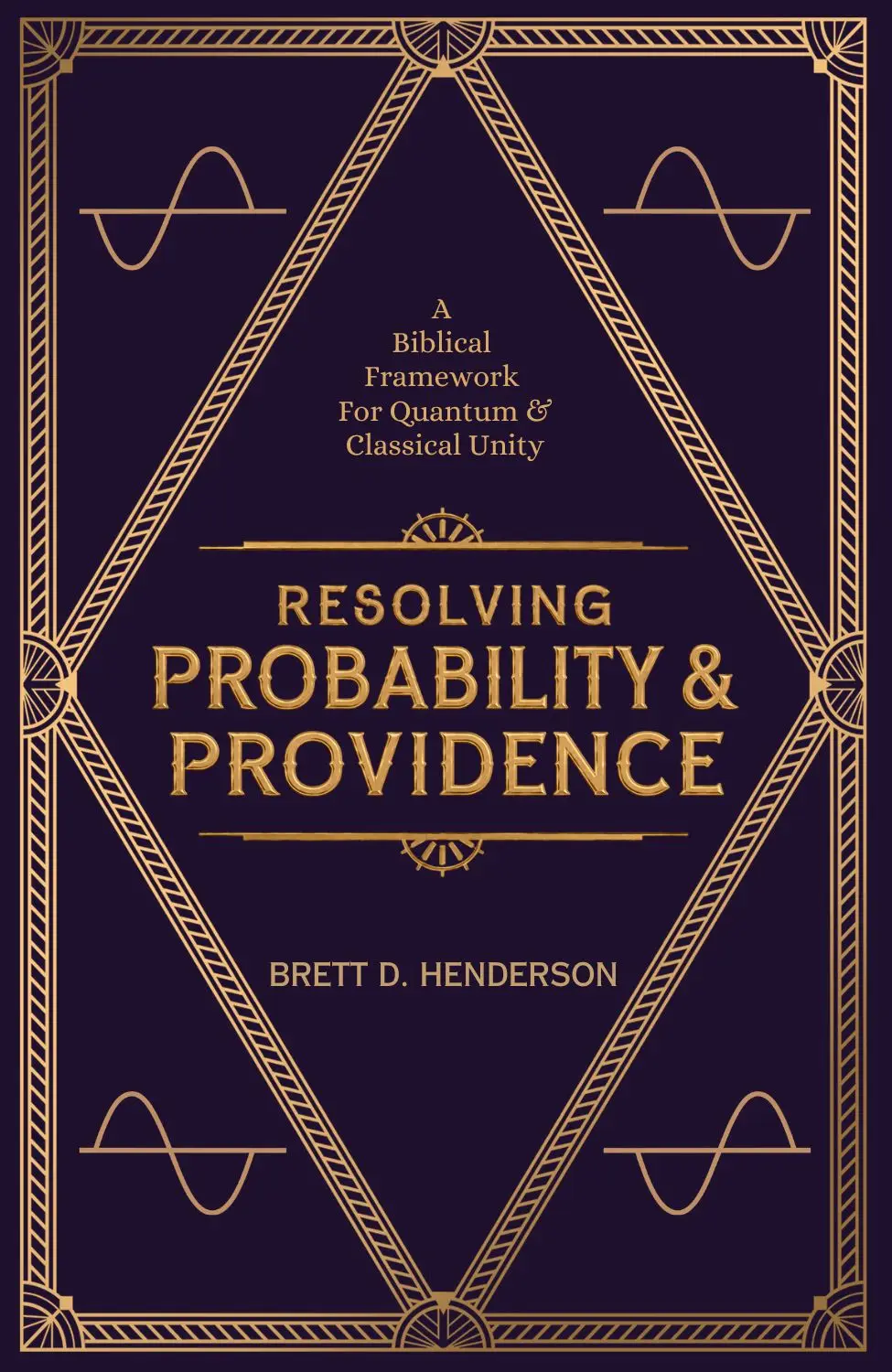
Cover of Resolving Probability & Providence In production

Volume Seven Indeterminacy vs. providence

Resolving Probability & Providence

A Biblical Framework for Quantum & Classical Unity

Quantum mechanics describes a world that is irreducibly probabilistic. Providence describes one that is exhaustively governed. Both are true, and the appearance of conflict is an indexing error.

A second series — for pastors, not philosophers

The Shepherd’s Path

Seven books on the practical work of leading a church, built on one idea: Jesus is the Logos — the reason and wisdom the Greeks were looking for — and using your mind in ministry is not a failure of faith. Pray for the miraculous and steward the natural gifts.

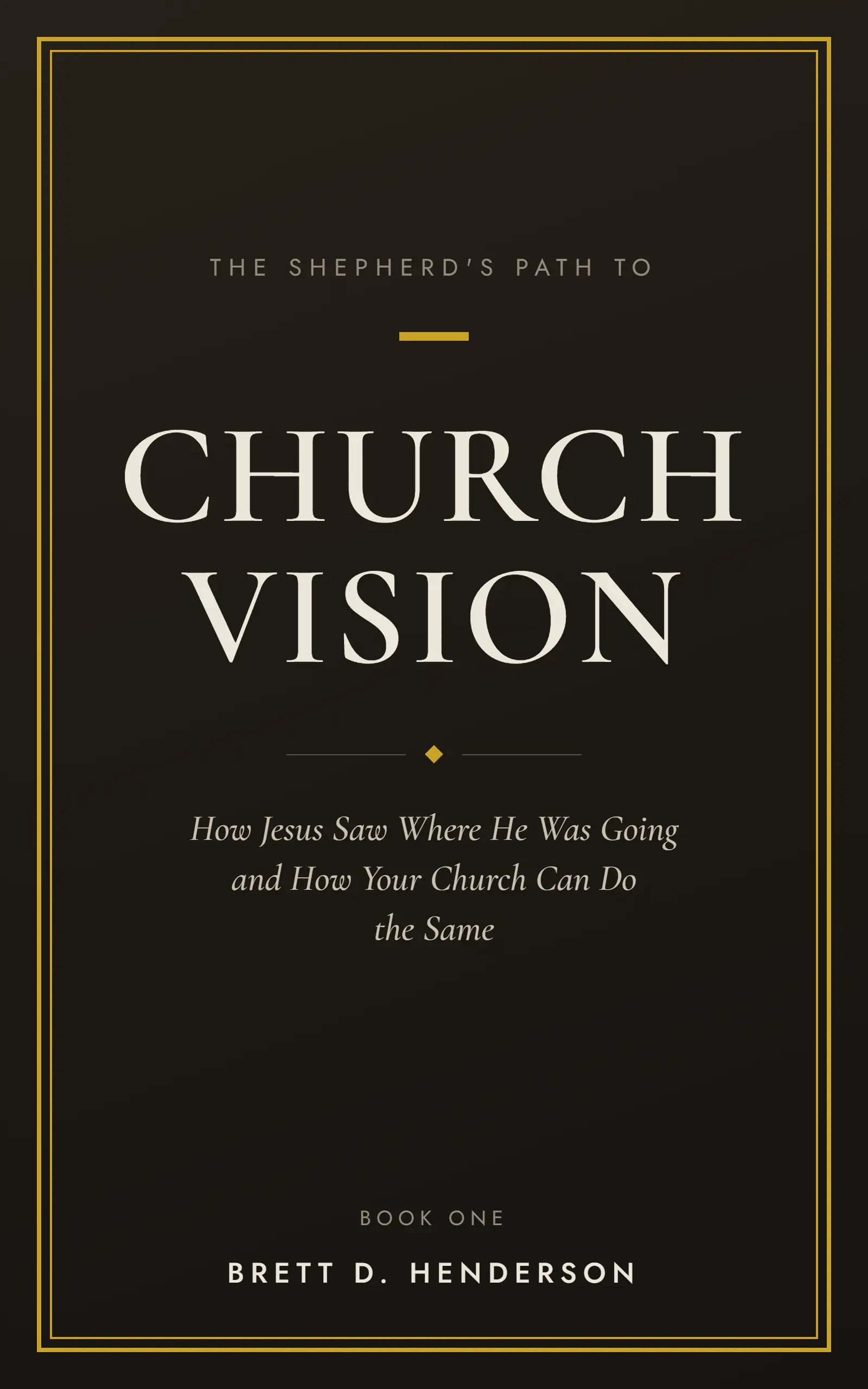
  1. Cover of The Shepherd’s Path to Church Vision

    Book One

    Church Vision

    How Jesus Saw Where He Was Going

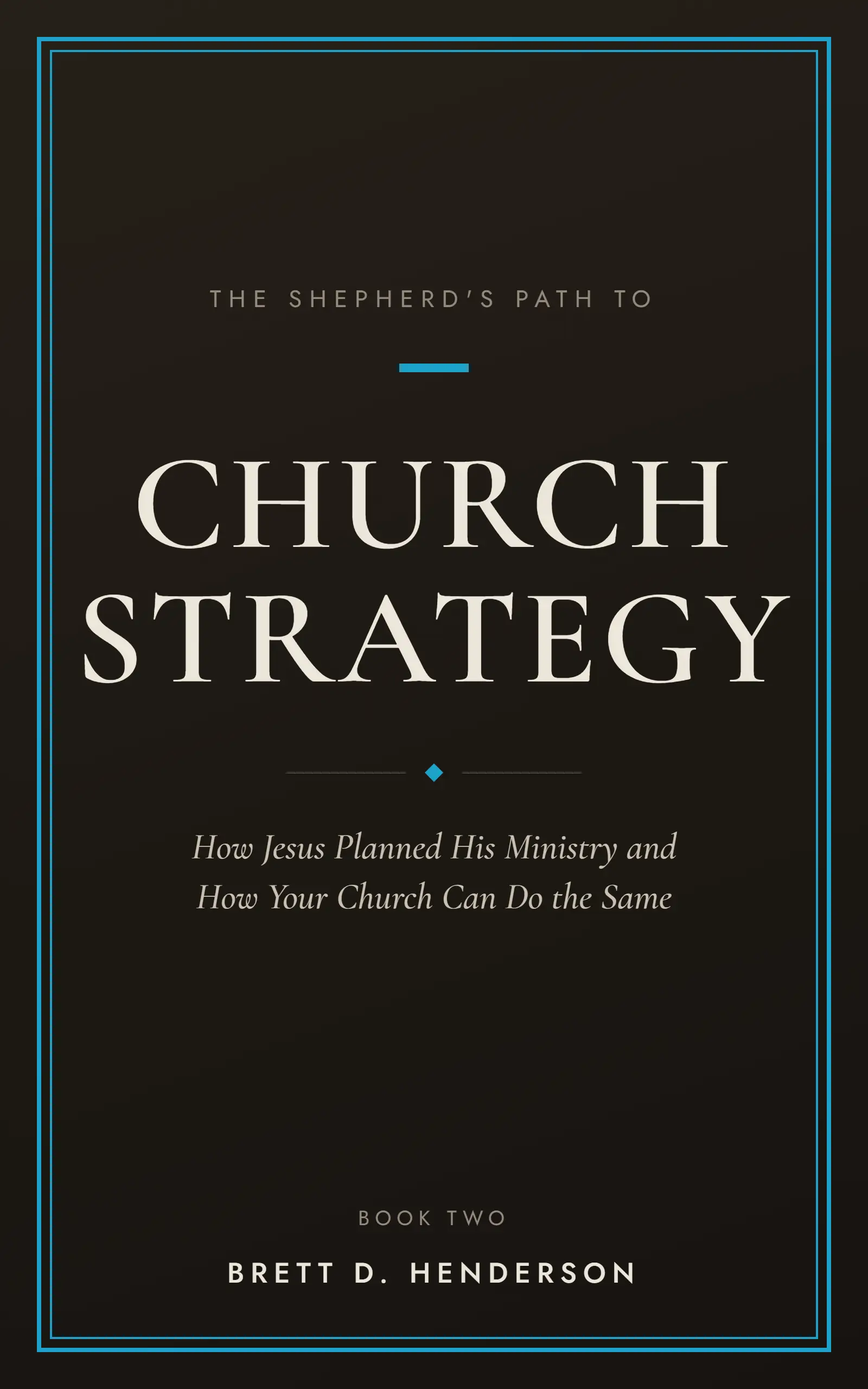
  2. Cover of The Shepherd’s Path to Church Strategy

    Book Two

    Church Strategy

    How Jesus Planned His Ministry

  3. Cover of The Shepherd’s Path to Church Growth

    Book Three

    Church Growth

    How Jesus Grew His Following

  4. Cover of The Shepherd’s Path to Church Discipleship

    Book Four

    Church Discipleship

    How Jesus Kept His Disciples

  5. Cover of The Shepherd’s Path to Church Marketing

    Book Five

    Church Marketing

    How Jesus Drew the Crowds

    Available now as The Digital Ministry

    Read it now
  6. Cover of The Shepherd’s Path to Church Evangelism

    Book Six

    Church Evangelism

    How Jesus Won the Lost

  7. Book Seven

    Church Decision Making

    How Jesus Chose His Path

Six of the seven are still in production. The list gets them first, at launch pricing.

Tell me when the series launches

Also by Brett

One more, for a different reader entirely.

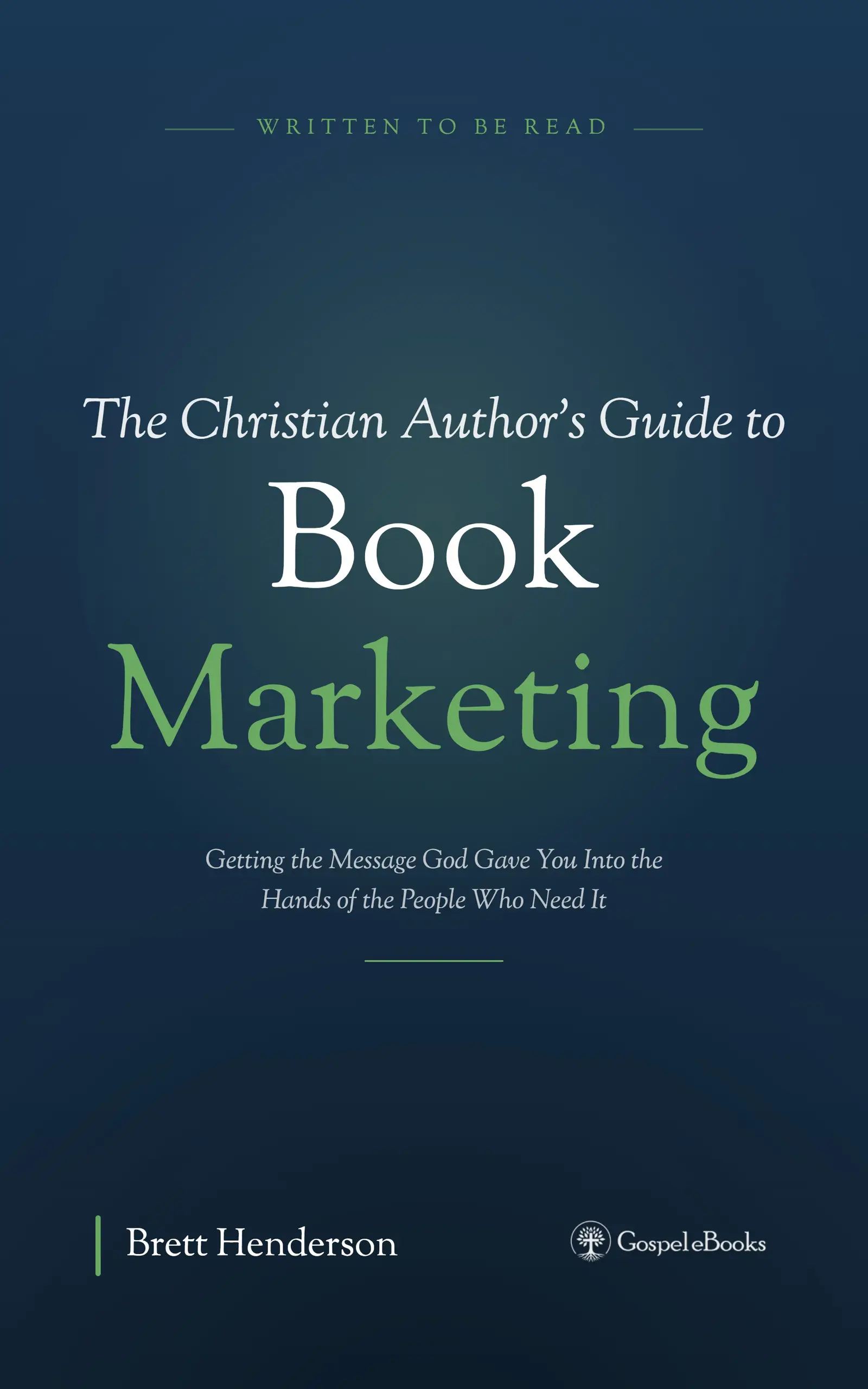
Cover of The Christian Author’s Guide to Book Marketing

For indie Christian authors In production

The Christian Author’s Guide to Book Marketing

Getting the Message God Gave You Into the Hands of the People Who Need It

Gospel eBooks · Written to Be Read

Written from the inside of the problem. Positioning, categories, keywords, pricing, launch sequencing and the Amazon algorithm — the actual mechanics of getting a faith-based book to the readers it was written for, by someone doing it in public.

Tell me when it’s out

For podcast hosts and producers

A guest who wants you to push back.

The framework claims Calvinism, Arminianism and Molinism reconcile at the foundational level, and that the problem of evil is formally dissolvable. Those are strong claims and they make for a real conversation. Hard pushback improves the episode — it is the format the work was written for.

  • Remote video or audio, any length. Long-form and debate formats welcome.
  • Free review copies of any book for you and your producer.
  • Prepared angles, sample questions, and a written bio you can read cold.

Episodes that work

  1. Calvinism vs. Arminianism: a category mistake?

    How both sides can be right within their own frame — and what that does to a five-hundred-year-old fight.

  2. The problem of evil, dissolved rather than answered

    Why “how could a good God permit this?” smuggles a human-frame term into a divine-frame claim.

  3. Formal logic in theology: gatekeeping or honesty?

    Why showing the inferences invites refutation instead of hiding behind mystery.

  4. Boethius and Aquinas saw this coming

    The historical pedigree of frame-indexing, and what formalisation actually adds to it.

About

Brett D. Henderson

Brett D. Henderson is the author of The Many Beings Framework, a seven-volume research programme in analytic philosophical theology. The work formalises Thomistic analogy, Boethian eternity and the Reformed archetypal / ectypal distinction into a single system with stated discipline rules — rules that make violations detectable rather than arguable.

The books are written in formal notation and published for peer scrutiny. That is a deliberate choice: a framework that cannot be attacked precisely cannot be trusted precisely. Every volume states its definitions, shows its inferences, and grounds its claims in Scripture before it draws a conclusion.

He also writes The Shepherd’s Path, a seven-book series on church leadership for pastors who want to steward the natural gifts as seriously as they pray for the miraculous.

Cover of Resolving the Free Will Dilemma

Free — the complete book

Start with Volume One. It costs nothing.

Not a sample, not a summary — the complete book. If the argument does not hold up you have lost nothing and you will know quickly, which is rather the point of publishing the inferences.

No spam. Unsubscribe in one click.